
Unlocking Autophagy for Healthier Aging
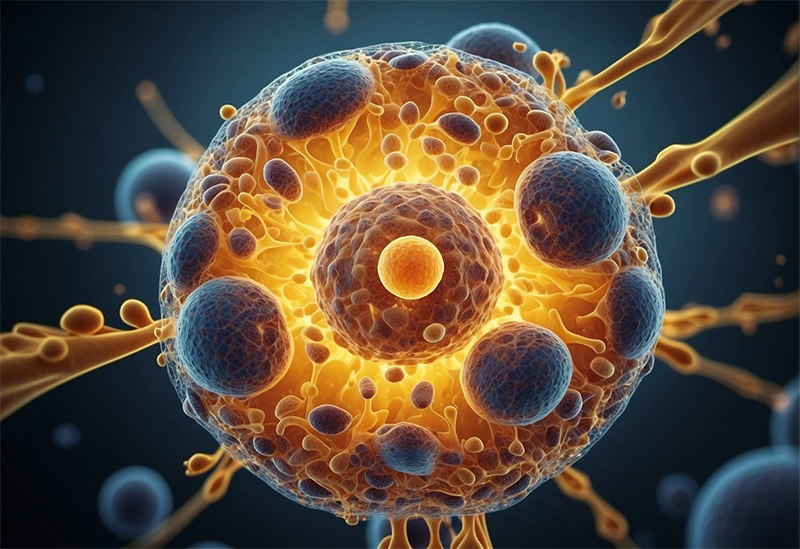
Autophagy is your body’s way of cleaning house. It’s like an internal recycling program.
Cells deconstruct their old, broken-down parts and repurpose them for new cell construction or energy. This process is critical for maintaining cellular health and function.
When autophagy is running smoothly, it can help clear the clutter from your cells and keep them functioning at their best. Much like how you might feel more focused and efficient in a clean and organized workspace.
For those in their 45+ years, understanding and supporting this process could be a key to aging healthily. Think of your body as striving for a balance—known as homeostasis—where everything is operating just right.
Autophagy plays a significant role in maintaining this balance by removing cellular debris and contributing to the renewal of cellular parts. This can be quite beneficial for cognitive health, mobility, and overall vitality.
By engaging in certain lifestyle habits, such as meditation, specific dietary steps, and regular exercise, one can influence the activity of autophagy in a positive way.
Encouraging autophagy could be particularly beneficial for brain health. As we age, the human brain can become vulnerable to cognitive decline, making it all the more important to keep cellular waste to a minimum.
By helping to clear out the proteins that can potentially aggregate into harmful plaques, a well-regulated autophagy process may support cognitive function. It may also contribute to the avoidance of dementia-related conditions.
So it’s not just about living longer, it’s about maintaining the quality of that extended lifespan. It’s about promoting a sound mind in a sound body well into one’s later years.
Basics of Autophagy

Autophagy is a cellular clean-up process that plays a vital role in your health, especially as you age. Think of it as the body’s way of spring cleaning, tidying up by removing damaged cells and recycling parts to maintain proper function.
Fundamental Processes
This process begins with the formation of a phagophore, a small membrane in the cell which expands around the damaged cellular components, creating an autophagosome.
The autophagosome then fuses with a lysosome, resulting in an autolysosome. It’s essentially a cellular stomach where the breakdown of cellular waste occurs.
The end result is that the cell’s debris is efficiently recycled, and the building blocks are reused, contributing to the maintenance of cellular health.
Key Autophagy-Related Proteins
Your cells use various proteins to regulate and execute autophagy. A crucial set of these proteins are known as ATG (Autophagy-Related Genes) proteins.
The protein Beclin-1, for instance, plays a key role in the initiation of autophagy, while LC3 is a protein that assists in the expansion of the phagophore and autophagosome formation.
Together with other ATG proteins, these components ensure that autophagy is carried out effectively. They help to clear out the damaged cells which, if left unchecked, could lead to health issues down the line.
Autophagy in Cellular Health and Stress

Autophagy is your body’s way of cleaning out damaged cells and generating new ones, a vital process for cellular health and response to stress.
Autophagy and Cellular Stress Responses
When your cells sense they’re under attack, whether from a lack of nutrients, the presence of toxins, or oxidative stress, they kick into survival mode.
This is when autophagy comes into play, a process that’s like a cellular ‘recycle and renew’ system. It breaks down the broken parts inside cells and uses the leftovers for energy or to make new parts.
This recycling not only provides essential building blocks but also helps to prevent cell death which can lead to more serious issues. When this system is working well, it means those cells are better equipped to cope with stress and keep your body running smoothly.
Role in Disease Prevention
Maintaining a steady process of autophagy is important for keeping diseases at bay. Problems in this cellular cleaning process are linked to a variety of diseases, including those that might affect us as we age, like certain types of neurodegenerative diseases.
By clearing out potential harmful debris and contributing to cellular renovation, autophagy conserves the energy of the cells and plays a central role in the prevention of disease buildup.
These protective roles mean that a well-maintained autophagy process is your ally in preserving the cognitive sharpness and mobility you cherish.
Autophagy in Disease Pathology

Autophagy, a cellular housekeeping mechanism, crucially influences disease progression and treatment. By recycling cellular components, it affects the health of cells and overall organism homeostasis.
Autophagy and Cancer
Autophagy plays a complex role in cancer, acting as both a tumor suppressor and a survival mechanism for cancer cells.
It removes damaged cells that could potentially become cancerous, but once a tumor is established, cancer cells may use autophagy to survive in low-nutrient environments.
For certain cancers, targeting autophagic pathways can be an effective therapeutic strategy. For instance, inhibiting autophagy has been shown to improve treatment outcomes in some cancer types.
Neurodegenerative Diseases
In diseases like Alzheimer’s, Parkinson’s, and ALS (amyotrophic lateral sclerosis), autophagy’s involvement is clear.
These diseases result in part from the inability to clear misfolded proteins, which is one of autophagy’s key functions. Boosting autophagy can potentially help in slowing down the progression of these conditions, as a healthy autophagic process contributes to the removal of defective proteins that, when accumulated, are harmful to neurons.
Other Diseases
Beyond cancer and neurodegeneration, autophagy impacts various other diseases.
It influences the progression of heart disease by dealing with cellular stress and energy demands. In liver diseases, autophagy helps remove damaged cells and protect against fat buildup, inflammation, and insulin resistance.
Moreover, autophagy plays a role in managing aging and related diseases by clearing out cellular debris that accumulates with age, thereby prolonging cell health and function.
Diabetes also sees the impact of autophagy, as it assists in managing insulin sensitivity and energy regulation. This makes it a potential area of interest for therapeutic development.
Regulatory Mechanisms of Autophagy

Signaling Pathways
The body has a complex network of biological signals that can tell cells when to start autophagy. Insulin and glucose levels, for instance, can affect these signals.
When glucose is scarce, insulin levels drop, and this can activate a key player in the autophagy game: AMP-activated protein kinase (AMPK).
AMPK acts like a fuel gauge, alerting cells that it’s time to switch to energy-saving mode and start recycling cell parts. Also, certain hormones like glucagon kick into gear when the body needs more glucose and triggers autophagy to help replenish the supply.
- Exercise: Regular physical activity can also impact these signals, promoting autophagy and helping your cells stay fit.
- Transcription Factor EB (TFEB): TFEB steps in to turn on the genes needed for autophagy, acting like a switchboard operator, ensuring that the signals calling for cleanup and recycling are heard loud and clear.
Hormonal Regulation
When we discuss hormones and autophagy, insulin and glucagon become stars of the show. They’re like opposite sides of the same coin:
- Insulin: When you eat, insulin tells your cells to grow and store energy, putting autophagy on the back burner.
- Glucagon: In contrast, during fasting or if you’re running low on energy, glucagon takes the stage, pushing cells into survival mode and ramping up autophagy.
Both play their parts in keeping your body in balance, carefully calibrating when to save up and when to start the cellular clean-up.
Nutrition and Autophagy
Your diet — what and when you eat — can signal your cells to start autophagy. Here’s where the interaction between nutrients and fasting comes into play:
- Fasting: Skipping meals or intermittent fasting can actually be beneficial. It reduces insulin levels, which in turn can increase autophagy. So, giving your digestive system a break now and then can help your cells stay young and healthy.
- Nutrients: The balance of nutrients you consume affects autophagy, too. Less glucose means greater autophagy activation, as cells turn to internal recycling to get the energy and oxygen they need.
Therapeutic and Research Perspectives
Emerging treatments and ongoing research in autophagy hold considerable promise for addressing age-related concerns and enhancing overall well-being.
Ongoing studies delve into selective autophagy and its role in cellular quality control, potentially leading to breakthrough therapies.
Targeting Autophagy in Treatment
In the field of medicine, autophagy plays a significant role. It is particularly important in the context of selective autophagy and mitophagy. These are processes that help maintain cell health by breaking down and recycling damaged parts of the cells.
Researchers are identifying key autophagy-related genes that could be targeted by potential therapies. For instance, drugs that modulate these pathways are in an advanced stage of drug development.
Future Research Directions
Moving forward, extensive research and development are focusing on deeper understanding of the mechanisms involved in autophagy. This is with the hope that refining our knowledge could pave the way for more sophisticated approaches in manipulating these pathways.
Additionally, macroautophagy, another form of the process, is being scrutinized for its broader implications in cellular health and longevity.
Conclusion
Autophagy, a cellular process of self-digestion, plays a crucial part in maintaining homeostasis and metabolic balance. This mechanism supports the clearance of damaged cellular components, thus contributing to a more healthy state of being.
Longevity and Anti-Aging As you age, balancing autophagy becomes important for longevity. Enhanced autophagy is associated with the delay of aging and a reduction in age-related diseases. By clearing out the old, dysfunctional components, your cells can better maintain their integrity over time.
Autophagy and Homeostasis Maintaining homeostasis is vital for health at the cellular level. Through autophagy, cells can remove harmful debris and support a stable internal environment.
This balance is key, especially as the body ages.
Metabolic Pathways Autophagy works closely with metabolic pathways. It supports metabolic flexibility—the ability for your body to switch between different fuel sources when necessary.
This adaptability is important for optimizing energy as dietary patterns change or as the body’s energy demands shift.
Incorporate meditation, diet, and exercise into your routine.
These practices bolster autophagy, contributing to a sharper mind and sustained mobility.
They’re practical ways to support your body’s natural processes and enhance your quality of life as you grow older.
Share this post :

Living Longer, Living Better: Stories of Extraordinary Lives in the Marginal Decade

Apollo Neuro: Exploring Its Impact on Mental Health and Well-being

Lion’s Mane Mushrooms
