Benefits Of Meditation for Brain & Physical Health
Introduction
In the fast-paced world we navigate daily, finding solace in the quietude of our own minds can be transformative. Meditation, a practice as ancient as civilization itself, offers a refuge from the chaos, a method to fine-tune our mental faculties, and a proven strategy to enhance overall well-being. This revered practice has crossed the boundaries of cultures and epochs, standing the test of time as a tool for self-improvement and introspection. Rooted in a variety of traditions, meditation has been meticulously studied and universally recognized for its profound impact on human performance—both mentally and physically. As we delve into the heart of meditation, we uncover the ways in which this practice can not only still the restless mind but also amplify our cognitive abilities, emotional resilience, and our inherent potential for peace and happiness.
Meditation is a timeless technique for enhancing well-being and cognitive function. It involves engaging in specific mental and physical practices to focus or clear the mind, which can lead to numerous benefits such as relaxation, reduced stress, and increased mental clarity.
Adopting a meditation style that suits your individual needs can lead to significant improvements in both mental and physical performance. This can manifest as enhanced memory, self-esteem, and concentration, along with reduced symptoms associated with anxiety and depression. Moreover, meditation has been found to reduce stress and lower blood pressure.
There are four principal types of meditation, each offering unique benefits.
1. Focus Meditation: This type of meditation hones your concentration by centering your attention on a single element—such as your breath, a sound, or an object. It is particularly beneficial for those looking to improve their focus, and memory, and also reduce mental wandering, making it suitable for individuals with attention deficits or those seeking to maintain cognitive function as they age.
2. Mindfulness Meditation: This practice cultivates a heightened awareness of the present moment, encouraging an observational stance toward one’s thoughts and sensations without emotional entanglement. By learning to return to the present whenever the mind strays, mindfulness meditation can soothe stress-related areas of the brain, fostering a sense of peace and the capacity to release fixations.
3. Quiet Mind Meditation: Aiming to still the mind’s incessant chatter, Quiet Mind meditation fosters a tranquil state of pure consciousness, providing respite for an overactive mind. It is especially useful for individuals coping with chronic pain, obsessive thoughts, addictions, or body image concerns, as it helps silence obsessive thinking, enhance alertness, and cultivate a deeper appreciation for life.
4. Open Heart Meditation: This form of meditation stimulates positive emotional states, leading to enduring inner peace and joy. By increasing energy levels and the inclination toward love and compassion, Open Heart meditation is ideal for those who wish to develop empathy and tackle emotions such as depression, grief, or anger more constructively.
Researchers have discovered that regular meditation can lead to structural changes in the brain, including denser brain tissue and enlarged areas responsible for sensory processing, cognition, and emotional regulation. These changes suggest a healthier brain, less susceptible to age-related decline and better equipped to process challenging emotions.
Overall, the benefits of meditation are extensive, offering improvements in focus, self-awareness, stress management, and the ability to navigate personal challenges such as addiction and pain. Engaging in meditation can also bolster feelings of love and peace, contributing to a more fulfilling life.
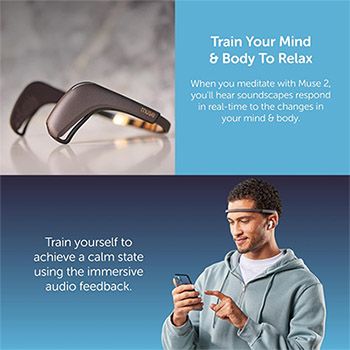
MUSE 2: The Brain Sensing Headband – Meditation Tracker – Multi Sensor Headset Monitor with Responsive Sound Feedback Guidance from Brain Wave, Heart, Body & Breath Activity
PERSONAL MEDITATION COACH: Meet MUSE 2, a smart headband that helps you understand your brain and live a more relaxed, present life. Begin improving your overall brain health and mental wellbeing by harnessing the calming power of meditation.
Conclusion:
Embracing meditation is akin to embarking on a journey inward, toward a center of calmness and strength that exists within us all. The transformative power of meditation lies in its simplicity and its profound depth—offering a spectrum of styles to cater to diverse needs and aspirations. Through the consistent cultivation of this practice, we can enhance the very fabric of our brain, fortify our mental processes, and unlock a wealth of emotional benefits.
In the tranquil depths of a meditative state, we find clarity amid confusion and serenity within turmoil. Whether seeking to sharpen the mind, soothe the soul, or open the heart, meditation emerges as a guiding light, leading us toward an enriched life brimming with focus, compassion, and an unwavering sense of inner peace.
As we conclude this exploration, it is evident that the age-old wisdom of meditation remains a powerful catalyst for personal transformation and a cornerstone for optimal human performance.
FAQ: Meditation and Human Performance
Q1: What is meditation? A1: Meditation is a practice that involves various techniques to focus or clear the mind, often combining mental and physical exercises. It has been used for thousands of years to promote relaxation, mental clarity, and overall well-being.
Q2: How can meditation improve human performance? A2: Regular meditation practice can lead to improvements in mental performance, such as better memory, increased focus and concentration, and higher self-esteem. It can also help manage symptoms of anxiety and depression, lower stress levels, and reduce blood pressure.
Q3: What are the main types of meditation? A3: The four main types of meditation are Focus Meditation, Mindfulness Meditation, Quiet Mind Meditation, and Open Heart Meditation. Each type has unique benefits and techniques, catering to different needs and goals.
Q4: Who should practice Focus Meditation? A4: Focus Meditation is particularly beneficial for individuals who want to improve their concentration, those with attention deficits, and individuals aiming to maintain cognitive function with age.
Q5: What does Mindfulness Meditation do? A5: Mindfulness Meditation helps practitioners become more aware of the present moment and learn to observe their thoughts and feelings without emotional reaction, reducing stress and promoting a sense of peace.
Q6: In what ways can Quiet Mind Meditation be helpful? A6: Quiet Mind Meditation can be especially helpful for those dealing with chronic pain, obsessive thoughts, addiction, or body image issues, as it encourages a peaceful state of mind and reduces internal chatter.
Q7: What is the purpose of Open Heart Meditation? A7: Open Heart Meditation focuses on cultivating positive emotions, increasing empathy, and managing negative feelings like grief and anger. It’s beneficial for those looking to foster love, compassion, and emotional well-being.
Q8: How does meditation affect the brain? A8: Studies have shown that meditation can lead to structural changes in the brain, including increased density of brain tissue and enlargement of areas responsible for processing senses, cognition, and emotions. These changes indicate a healthier, more resilient brain.
Q9: Can meditation help with age-related cognitive decline? A9: Yes, meditation has been linked to a healthier brain with less likelihood of age-related decline, suggesting that it may help maintain cognitive function as we age.
Q10: What are the overall benefits of meditating? A10: The benefits of meditation include improved focus, better self-awareness, reduced stress, enhanced management of anxiety or depression, combatting addictions, pain control, and an increase in feelings of love and peace.

Apollo Neuro: Exploring Its Impact on Mental Health and Well-being
Explore the impact of Apollo Neuro on mental health and well-being. This innovative wearable device uses gentle vibrations to reduce stress, improve sleep quality, and enhance focus. Learn about its technology, health benefits, and practical considerations for users seeking a holistic approach to wellness.

Lion’s Mane Mushrooms
Discover how Lion’s Mane mushrooms can boost brain health, enhance cognitive function, and protect against neurodegenerative diseases.

ADHD and Meditation
Discover how pomegranate peel extract can improve brain health. Packed with antioxidants and polyphenols, it offers cognitive benefits and protects against decline.

Vaccines: A Promising Shield Against Alzheimer’s Disease
Home Vaccines: A Promising Shield Against Alzheimer’s Disease Recent research