
The Power of Protein

Fighting Age-Related Muscle Loss
Aging gracefully doesn’t imply slowing down or feeling any less vital. In fact, there’s a robust ally in our quest to remain energetic and full of life: protein. Picture protein as your dedicated wellness companion, steadfastly supporting your muscles to ensure they remain resilient and vigorous. As we age, our muscles crave a little extra attention to maintain their strength, allowing us to continue enjoying our favorite activities.
Incorporating a hearty dose of protein with some resistance training (yes, those gentle weight-lifting sessions or using resistance bands do count) acts as a hearty pat on the back for your muscles. It’s all about ensuring you keep striding forward, dancing, and feeling splendid, regardless of the candles on your birthday cake. Let’s delve into how increasing your protein intake and weaving in some strength training into your daily regimen can significantly enhance your golden years.
Demystifying Sarcopenia
First things first, let’s understand sarcopenia. Though it may sound complex, the concept is simple. Imagine your muscles as balloons at a jubilant party. In our youth, they’re full and buoyant. However, as the years pass, they gradually deflate. Sarcopenia is this very process of muscle diminishment that accompanies aging.
What triggers this? It’s a mix of hormonal shifts, reduced physical exertion, and alterations in how our bodies metabolize protein. Essentially, our muscles don’t bounce back from routine activities as efficiently as before. Without proactive measures (more protein and exercise), they begin to wane.
The stakes? They’re higher than one might assume. Beyond losing muscle tone, sarcopenia can compromise your balance, make everyday tasks challenging, and heighten the risk of falls. Essentially, it can curtail your quality of life.
Yet, here’s the hopeful part: you possess the capability to counteract it. Through mindful nutrition (increasing protein intake) and regular resistance training, you can fend off sarcopenia, ensuring you remain robust, autonomous, and exuberant as you advance in years.
Protein: The Muscle Maintenance Maestro
Protein serves as your body’s repair mechanism, particularly for your muscles. Post-exercise, your muscles signal for assistance to recuperate and strengthen. Protein heeds this call, aiding in repair, fortifying them, and fostering new muscle fibers. Essentially, it’s the secret sauce that helps you recover from physical activity and prevents your muscles from tapping out.
As we grow older, our bodies resemble finicky old machines—they’re not as prompt or efficient as we’d like. Research indicates that individuals over 50 may require more protein than younger folks to keep their muscles in prime condition. It’s as though older muscles demand extra persuasion to rejuvenate and expand. Therefore, ramping up dietary protein becomes crucial to ensure fluid movement.
Not every protein source is created equal, particularly for those over 50. It’s akin to selecting the best fuel for a vehicle. Prime sources like lean meats, fish, dairy, and plant-based options such as beans and lentils offer more bang for your buck. These choices do more than muscle building; they’re replete with additional nutrients that bolster overall body function, from cardiovascular health to bone density.
In essence, as we age, our protein requirements increase, making it vital to ensure ample intake of high-quality sources. This strategy is key to sustaining muscle strength and overall health.
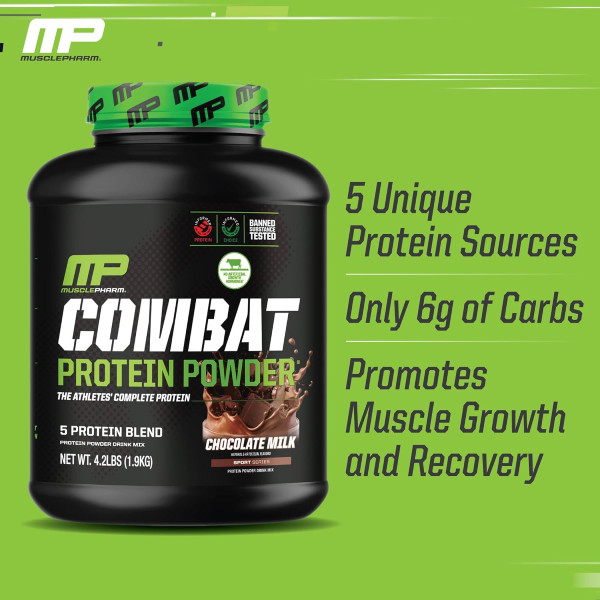
Protein Recommendations for Mature Adults
For those aged 50 and beyond, it’s not merely about sufficient protein consumption but ingesting the optimal amount to keep muscles lively and engaged. The consensus suggests aiming for 1.2 to 2.0 grams of protein per kilogram of body weight daily. For the physically active, whether through gym sessions, swimming, or playful pursuits with grandchildren, veering towards the upper spectrum aids in muscle repair and growth.
While younger adults and athletes might consume protein at a rate of 1.4 to 2.0 grams per kilogram, the guidelines for mature adults aren’t drastically different. The primary distinction? Mature muscles still require that extra bit of protein to remain resilient and recuperate from daily activities, even without intense workouts.
Dispelling myths: concerns circulate about excessive protein intake being burdensome on older kidneys or bones. However, the reality is less alarming. Naturally, individuals with pre-existing kidney conditions should consult with their physicians about dietary adjustments. But for most healthy adults, enhancing protein intake from varied sources can benefit bones, muscles, and overall vitality without overwhelming the kidneys.
For the over-50 set, ensuring a sufficient intake of high-quality protein is not just about muscle upkeep; it’s about nurturing a dynamic, active life. Whether sedentary or active, boosting protein can make your later years truly golden.
Resistance Training: The Perfect Protein Partner
Pairing resistance training with protein intake forms a formidable alliance against muscle decline with age. This powerful combo focuses on maintenance and growth, helping you combat sarcopenia effectively. By engaging in resistance training, you’re not merely preserving muscle mass; you’re instructing your body to augment it. It’s a clarion call for strength and stability.
For those keen to incorporate resistance training, consider starting with simple, safe exercises. Activities such as wall push-ups, chair squats, and light dumbbell routines can be initiated at home, requiring minimal equipment while ensuring muscle engagement without overexertion. The beauty of these exercises lies in their adaptability; they can be tailored to match your strength level and progressively scaled up as you gain comfort and capability.
Protein re-enters the equation post-exercise, playing a critical role in muscle repair and growth. Resistance training sends a signal to your muscles, and protein provides the necessary resources for them to respond and strengthen. Together, they form a harmonious blend, warding off muscle loss and ensuring your body stays agile, capable, and primed for life’s adventures.
By integrating both dietary and physical strategies into your lifestyle, you’re not merely countering sarcopenia; you’re adopting a holistic approach towards a healthier, more vibrant existence. It’s a dual strategy that supports muscle health and overall well-being as you age.

Tips for Upping Protein Intake
Enhancing protein intake, especially for the over-50 demographic, needn’t be complex. Consider it an opportunity to infuse your daily meals with protein-rich enhancements. Begin with breakfast, which can extend beyond the usual coffee and toast. How about incorporating some Greek yogurt or scrambled eggs? Both options serve as protein stalwarts, energizing your morning.
Come snack time, bypass the chips in favor of almonds or a cheese slice. These snacks curb hunger while providing a protein lift. For main meals, lean proteins such as chicken, fish, or turkey are excellent but don’t overlook plant-based proteins like beans, lentils, and tofu. These aren’t solely for vegetarians; they’re a boon for anyone aiming to elevate their protein intake.
For those navigating dietary restrictions or health conditions, diverse protein options remain accessible. If kidney health necessitates protein moderation, focusing on high-quality, nutrient-dense proteins can maintain balance. Lactose intolerance doesn’t preclude protein sources either, with lactose-free dairy and plant-based proteins ensuring you’re not missing out.
The essence lies in variety and balance. Diversifying protein sources not only keeps meals intriguing but also ensures a comprehensive intake of essential nutrients. It’s about making informed, flavorful choices that align with your health requirements and lifestyle, fueling your muscles and preparing you for life’s endeavors.
Protein and Beyond: Comprehensive Health Benefits
Protein and resistance training are akin to health’s dynamic duo, offering advantages that extend well beyond muscle upkeep. They play pivotal roles in fostering bone health, enhancing metabolic efficiency, and supporting cognitive function. It’s about connecting the dots between physical activity, nutrition, and comprehensive health, facilitating a smoother aging journey.
Thus, the focus shouldn’t be solely on one health facet. Adopting a holistic approach involves attending to all aspects that keep the system running seamlessly. It’s about enriching your years with quality and vibrancy, making each moment more meaningful and enjoyable.
Conclusion
Through this exploration, we’ve illuminated the crucial roles of protein and resistance training in aging gracefully and vigorously. It’s evident that these pillars are essential not just for muscle strength but also for supporting bone health, metabolic function, and cognitive clarity. Adopting a diet rich in high-quality protein and integrating resistance exercises into our daily routines presents a holistic strategy for sustaining our health as we mature.
However, it’s vital to recognize our unique health landscapes and conditions. Consulting with healthcare professionals to tailor these recommendations to your individual circumstances is crucial. It’s not about a universal solution but discovering the right equilibrium that empowers you to flourish at any age. Here’s to a richer, more fulfilling journey through the golden years, fueled by the synergy of body and mind harmony.
Share this post :

Living Longer, Living Better: Stories of Extraordinary Lives in the Marginal Decade

Apollo Neuro: Exploring Its Impact on Mental Health and Well-being

Lion’s Mane Mushrooms
