

The Blue Zone Diet A Path to Mindful Living and Preventive Health
In a world where lifestyle diseases are on the rise, the Blue Zone Diet emerges as a beacon of hope, offering a path to longevity and wellness. This diet, inspired by the world’s longest-living populations, is not just about food; it’s a holistic approach to a healthier, more mindful way of life. In this detailed exploration, we will uncover the secrets of the Blue Zone Diet, its impact on prevention and lifestyle, and how it aligns with the principles of mindful living.
The Blue Zone Diet is rooted in the eating habits of people from regions known as the Blue Zones, where inhabitants live exceptionally long and healthy lives. These areas, including Okinawa (Japan), Sardinia (Italy), and Nicoya (Costa Rica), have been the subject of extensive research. Their diets, rich in plant-based foods and low in processed products, offer valuable insights into disease prevention and longevity.
For the Mindful Meditator, the Blue Zone Diet is more than a nutritional plan; it’s a guide to conscious eating and living. This blog post aims to provide an in-depth understanding of how integrating the principles of the Blue Zone Diet into your daily routine can lead to a healthier, more fulfilling life. We will explore its benefits, backed by scientific research, and provide practical tips for adopting this lifestyle.
The Core Tenets of the Blue Zone Diet
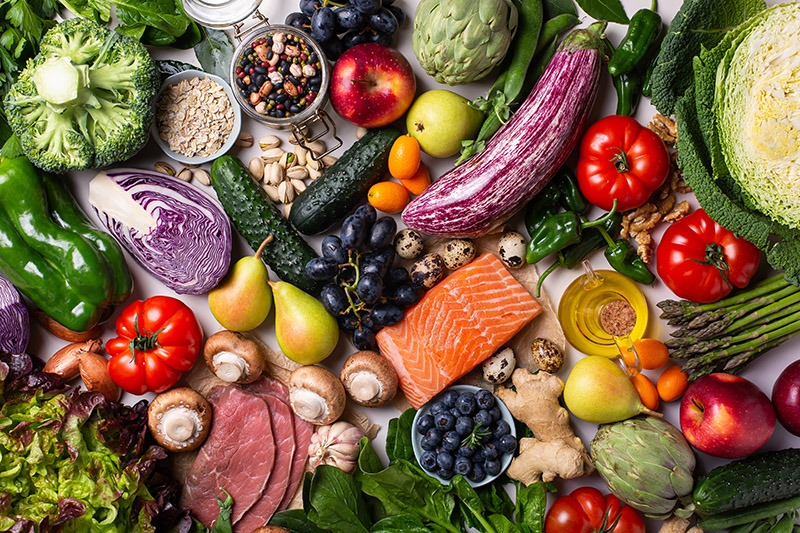
The Blue Zone Diet is characterized by a few fundamental principles that contribute to its effectiveness in promoting health and longevity. First and foremost, it emphasizes a plant-slant diet. This means the bulk of food intake comes from vegetables, fruits, whole grains, nuts, and legumes. Meat is consumed sparingly, often as a side dish and not more than a few times a month.
Another key aspect of the Blue Zone Diet is the consumption of healthy fats. Unlike the Western diet, which is high in saturated fats, the Blue Zone Diet includes fats from natural sources like olive oil, avocados, and nuts. These healthy fats are essential for brain health and can help reduce the risk of heart disease and stroke.
Moderation is also a crucial element of the Blue Zone Diet. It advocates eating until you are 80% full, a practice known as “Hara Hachi Bu” in Okinawa. This approach to eating helps prevent overeating and maintains a healthy weight, which is vital for preventing lifestyle-related diseases.
The Blue Zone Diet and Disease Prevention
One of the most compelling aspects of the Blue Zone Diet is its potential for disease prevention. Numerous studies have linked this diet to a lower risk of chronic conditions such as heart disease, diabetes, and certain cancers. The diet’s high fiber content, from its focus on plant-based foods, aids in digestion and helps regulate blood sugar levels, reducing the risk of type 2 diabetes.
A study published in the American Journal of Epidemiology found that the antioxidants in fruits and vegetables, staples of the Blue Zone Diet, play a significant role in cancer prevention. These antioxidants help neutralize harmful free radicals in the body, reducing oxidative stress and inflammation, which are key factors in cancer development.
The diet’s impact on heart health is also noteworthy. The inclusion of omega-3 fatty acids, primarily from fish in the diet, has been shown to lower the risk of heart disease. A study in the Journal of the American College of Cardiology highlighted the benefits of omega-3 fatty acids in reducing the incidence of cardiovascular events in high-risk individuals.
Mindful Eating and the Blue Zone Lifestyle
The Blue Zone Diet aligns perfectly with the principles of mindful eating, an approach that emphasizes awareness and enjoyment of food. Mindful eating involves paying attention to the flavors, textures, and aromas of food, as well as recognizing hunger and fullness cues. This practice not only enhances the eating experience but also encourages healthier eating habits.
Incorporating mindfulness into your eating routine can start with simple steps like eating without distractions, chewing food thoroughly, and taking smaller bites. This approach can lead to better digestion, improved satiety, and a deeper appreciation for the food you consume.
The Blue Zone lifestyle also extends beyond diet, emphasizing the importance of regular physical activity, strong social connections, and a sense of purpose. These elements work synergistically with the dietary aspects to create a comprehensive approach to health and well-being.
Mindful eating in the context of the Blue Zone Diet extends beyond mere food choices; it’s about cultivating an awareness of how food affects our bodies and minds. This practice encourages a deeper connection with the act of eating, transforming it from a routine task into a mindful experience. By eating slowly and without distraction, individuals can better recognize their body’s hunger and fullness signals, leading to more effective weight management and overall well-being.
In Blue Zone regions, food is often prepared and consumed with a sense of gratitude and respect. This can involve simple rituals like saying a prayer or expressing thanks for the meal. Such practices not only enhance the dining experience but also foster a positive relationship with food. Additionally, the Blue Zone lifestyle advocates for eating early in the evening and fasting for several hours before breakfast, which aligns with the body’s natural circadian rhythms and aids in digestion and cellular repair.
The integration of mindfulness into daily life, as seen in Blue Zone communities, extends beyond eating. It encompasses a broader lifestyle approach that includes stress reduction techniques, such as meditation or spending time in nature, and engaging in activities that bring joy and purpose. This holistic approach to living is a key factor in the longevity and happiness observed in Blue Zone populations.
The Role of Community in the Blue Zone Diet
Community plays a pivotal role in the success of the Blue Zone Diet. In Blue Zone regions, meals are often communal affairs, shared with family and friends. This social aspect of eating contributes to mental well-being and provides a support system for maintaining healthy habits.
The sense of belonging and purpose that comes from being part of a community is a key factor in the longevity of Blue Zone inhabitants. Engaging in social activities, volunteering, and being part of a group can have profound effects on mental and physical health, reducing stress and promoting a positive outlook on life.
The Blue Zone Diet encourages the creation of a supportive community, whether it’s through shared meals, cooking clubs, or group exercise. Building a network of like-minded individuals can be a powerful motivator in adopting and sustaining a healthy lifestyle.
The communal aspect of the Blue Zone Diet plays a significant role in its effectiveness. In these regions, meals are often community events, where people come together to share food and conversation. This practice not only enhances the nutritional value of the meal but also provides emotional and social nourishment. Eating in a community setting encourages slower eating, better digestion, and greater satisfaction with smaller portions.
In addition to shared meals, the concept of a support network or ‘moai’ – a term used in Okinawa – is integral to the Blue Zone lifestyle. A moai is a group of people who provide social, emotional, and even financial support to each other. This sense of belonging and mutual support is crucial for mental health and has been linked to lower levels of stress and longer life expectancy.
The Blue Zone communities also place a strong emphasis on intergenerational connections. Regular interaction between younger and older generations provides a sense of continuity, purpose, and mutual care. These strong social ties contribute to a sense of belonging and worth, which are essential for a long, healthy life.
Practical Tips for Adopting the Blue Zone Diet
Adopting the Blue Zone Diet can be a rewarding journey towards better health and longevity. Here are some practical tips to help you get started:
- Start with Small Changes: Begin by incorporating more fruits and vegetables into your meals. Try to fill half of your plate with plant-based foods.
- Plan Plant-Based Meals: Dedicate a few days a week to vegetarian or vegan meals. Experiment with legumes, whole grains, and a variety of vegetables to create flavorful dishes.
- Reduce Meat Consumption: Treat meat as a side dish or use it to flavor meals rather than as the main course. Opt for lean cuts and avoid processed meats.
- Cook at Home: Preparing meals at home allows you to control the ingredients and cooking methods, ensuring healthier and fresher meals.
- Create a Community: Build a support network of friends or family who share your health goals. Share meals, recipes, and encouragement.
- Practice Mindful Eating: Eat slowly, savor each bite, and listen to your body’s hunger and fullness cues. Avoid eating in front of the TV or computer.
- Stay Active: Incorporate physical activity into your daily routine, whether it’s walking, gardening, or practicing yoga.
- Seek Joy and Purpose: Engage in activities that bring you happiness and give your life meaning. This could be a hobby, volunteering, or spending time with loved ones.
Frequently Asked Questions about the Blue Zone Diet
Q: Is the Blue Zone Diet suitable for everyone? A: The Blue Zone Diet is a flexible eating plan that can be adapted to suit various dietary needs and preferences. However, it’s always recommended to consult with a healthcare provider before making significant changes to your diet, especially if you have any health conditions.
Q: Can I follow the Blue Zone Diet if I’m a strict vegetarian or vegan? A: Absolutely. The Blue Zone Diet is predominantly plant-based and can be easily adapted to fit a vegetarian or vegan lifestyle.
Q: How does the Blue Zone Diet differ from other popular diets? A: Unlike many diets that focus on restriction, the Blue Zone Diet emphasizes a balanced and holistic approach to eating and living. It’s not just about what you eat, but also how you eat and your lifestyle choices.
Q: Are there any resources for Blue Zone Diet recipes? A: Yes, there are numerous cookbooks and online resources dedicated to Blue Zone recipes. These resources offer a variety of dishes inspired by the eating habits of Blue Zone populations.
Conclusion
The Blue Zone Diet offers a comprehensive blueprint for a healthier, more mindful way of living. Its emphasis on plant-based foods, moderation, and community aligns with the principles of disease prevention and mindful living. By adopting the practices of the world’s longest-living populations, we can enhance our health, increase our lifespan, and find greater joy and purpose in our daily lives.
As we conclude this exploration, it’s clear that the Blue Zone Diet is more than just a set of dietary guidelines; it’s a philosophy that encompasses all aspects of life. By embracing this approach, we can not only improve our physical health but also enrich our mental and emotional well-being. The Blue Zone Diet is a journey towards a more fulfilling, healthier, and mindful existence.


