


Boost Your Longevity With 7 Habits That Take 5 Minutes
Incorporating simple daily routines can be a powerful way to enhance longevity without demanding too much of your time. Engaging in brief sessions of ‘micro-meditations’ (meditation snacks ) or quick exercise breaks (exercise snacks) can effectively reduce stress and bolster overall well-being.
Micro-meditations, or meditation snacks which are brief meditation sessions that can fit into a busy schedule will help you manage stress. These short practices can lead to significant improvements in mental and physical health over time. The trick is to do these intentionally with the outcome in your mind.
Additionally, maintaining gratitude lists and nurturing social connections are crucial practices that contribute to emotional health, potentially leading to a longer life.
All it takes is as little as five minutes each day doing these activities which could significantly add healthy years to your life.
Dr. Kien Vuu, an expert in antiaging and regenerative medicine, underscores the significance of daily habits in extending life expectancy. Dr.Vuu emphasizes the profound impact that regular, intentional changes to one’s daily routine can have a huge impact on your physical and mental health.
By integrating simple activities such as exercise, sufficient sleep, and mindfulness into your day, you can improve well-being in the short term and potentially increase lifespan, he suggests.
One particularly effective method for instituting healthy habits, as advocated by Dr.Vuu, is ‘habit stacking.’
This technique involves adding a new habit to an already established routine to enhance the likelihood of its adherence.
For instance, initiating a habit becomes more manageable when linked to an existing pattern, like checking your phone or during a coffee break.
How I do Meditation Snacks
For meditation snacks, I take five minutes 3-4 times a day and check in with myself. I get into elevated emotions like gratitude, and appreciation for everything I have going in my life. Sometimes I go outside smell the fresh air and sun on my face and feel grateful. If I have a problem to solve and am getting anxious and stressed I do the same. This brings my thoughts emotions and feelings back to a happy state. it works all the time!Just 1 minute of squats can boost concentration and improve decision-making
- Breaking up your day with a minute of squat exercise may keep your brain healthy, per a new study.
- Researchers found people who took tiny workout breaks had better focus and less mental fatigue.
- Short bursts of exercise can improve your health and help extend your life, research has found.
- If you’re stuck in a midday slump, hitting a quick round of squats may help shake off the brain fog, new research suggests.
- Working a desk job and other sedentary lifestyle habits are a known health hazard, contributing to higher risk of illnesses like cancer, heart disease, and dementia.
- But a growing body of research indicates that short exercise breaks can help offset the harm, both for your mind and your body.
- Taking a minute (literally) to rep out some squats is linked to better blood flow to the brain, and better concentration and decision-making power, according to a small study published November 9 in the Journal of Applied Physiology.
Exercise “snacks” can boost your energy, health, and even longevity
Better brain power isn’t the only benefit from small doses of exercise, as several previous studies have found major improvements to health, fitness, and lifespan from breaking up your day with movement.
One 2023 study found that short bursts of activity, such as a brisk walk, bike ride or dance break, could significantly reduce the risk of early death in as little as 11 minutes total per day.
And low-impact exercises such as wall sits have been found to reduce blood pressure in a few minutes per day, too.
If you’re new to incorporating tiny workouts into your routine, one strategy is known as “trigger workouts,” using a cue such as a household object or even a timer to remind you to move. For example, you might opt to do a set of push-ups each time you fill your coffee mug or water bottle, or hit a set of squats each time you get up to use the bathroom.
A quick walk is another simple way to get more exercise, and every little bit, starting with just 500 steps a day, can add up toward a longer, healthier life.
“Doing something is better than doing nothing,” she said. “If walking is the beginning stages of embracing a heart healthy life, then it is the initial stages that will create habits that will be sustainable and last for a lifetime.”
How I do Exercise Snacks
For me, it is setting an alarm on my phone to remind me to do my exercise snack. I take a brisk walk to the kitchen have a glass of water then walk inside the house for 5 minutes. Or do 30 jumping jacks or run on the spot for 5 minutes. This way I remind myself to stick to the practice. It is as easy as that!
Walking can help you get healthy and fit even if you can’t make it to the gym
Typical health guidelines, including from the CDC and American Heart Association, recommend at least 150 minutes of moderate exercise per week. While hitting the gym is great for your health, going for a quick stroll adds up in your weekly exercise total, too.
Walking can absolutely count towards those guidelines, if the walking is done as a deliberate and intentional exercise with a focus on the appropriate heart rate zone.
A big advantage of walking as exercise is that it doesn’t take any special warm-up or preparation, and you can do it just about anywhere even as a complete fitness beginner.
To begin a habit of walking as a beginner, start with just a few minutes and gradually working your way up.
The slower you start, the less frustrated you will feel and the faster you will progress. The key is routine and regularity. Just do a little bit every single day.
A good goal is to aim for even a short walk (starting with a few blocks) every day for six weeks, which is enough time to form a habit and help motivate you to keep going, she said.
For instance, initiating a habit becomes more manageable when linked to an existing pattern, like checking your phone or during a coffee break.
These moments can serve as triggers for incorporating healthful practices such as brief exercise or deep breathing exercises.
Research also points to the antiaging benefits of regular exercise, suggesting that even short bursts of physical activity can have a substantial impact.
For example, just one minute of squats can enhance concentration and decision-making abilities. A study published in the Journal of Applied Physiology found that participants who interspersed sitting with one-minute squat sessions reported better focus and experienced less mental fatigue. These findings support the notion that ‘exercise snacks’ can counteract the negative effects of a sedentary lifestyle, contributing to both cognitive and physical health.
Working a desk job and other sedentary lifestyle habits are a known health hazard, contributing to higher risk of illnesses like cancer, heart disease, and dementia.
Taking a minute (literally) to rep out some squats is linked to better blood flow to the brain, and better concentration and decision-making power.
What is VILPA
Vigorous Intermittent Lifestyle Physical Activity (VILPA) refers to brief, intense exercises integrated into everyday life. Such activities can be simple yet effective.
- Quick-paced walking
- Ascending stairs at a fast pace
- Hoisting grocery bags
- Lifting and carrying children
- Trekking up slopes
Why it matters
The maximum of 11 bouts per day was associated with a 65 percent reduction in cardiovascular death risk and 49 percent reduction in cancer-related death risk, compared to no VILPA. Read the full blog post
A collaborative study involving researchers from Japan, North Carolina, and the United Kingdom focused on analyzing the effects of physical activity breaks on cognitive performance. The study’s subjects were 20 young adults with an average age of 21, who underwent cognitive testing after extended periods of sitting. During one trial, participants remained seated for three continuous hours prior to the tests. In a contrasting trial, their sitting was interspersed with one-minute bouts of physical activity—specifically squats and calf raises, performing approximately 15 repetitions each.
The findings were illuminating: the exercise interruptions led to enhanced executive function and quicker reaction times among the participants. Furthermore, these individuals reported increased levels of concentration and reduced mental fatigue compared to their performance after prolonged sitting without breaks. Crucially, when researchers monitored cerebral blood flow, they observed a dip during extended sedentariness, whereas a modest uptick was noted during the trials involving physical exercises. This suggests that even brief periods of activity can positively influence both mental acuity and physiological responses.
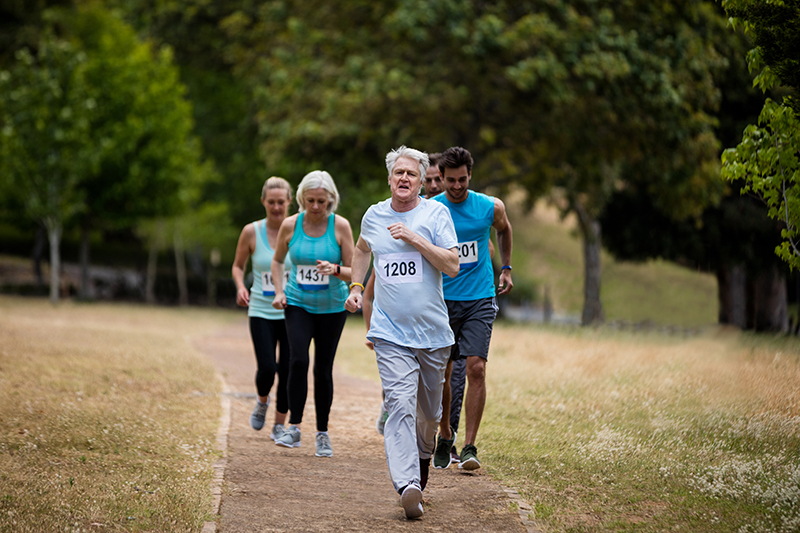
Moreover, such brief periods of activity have been linked to improvements in health metrics like blood pressure and may significantly reduce the risk of premature death. Trigger workouts are a practical approach to integrating these mini workouts into your day, using cues such as household objects or timers to remind you to engage in physical activity.
Walking, in particular, stands out as an accessible form of exercise that can be started with minimal effort and gradually increased over time. It’s a simple way to begin embracing a heart-healthy lifestyle, and even short daily walks can accumulate to meet the recommended guidelines for weekly exercise. The key to success with walking, as with any habit, lies in consistency and routine.
Stay motivated to exercise by making it a fun activity
Maintaining a consistent exercise routine is crucial to reaping its benefits over time, and integrating enjoyment into your fitness activities is important. Change your workout regimen to keep it engaging. Mix it up.
Join a class for dance lessons, become a member of a swimming club, or do fun exercise stuff with friends. The key to sticking to a routine lies in variety and social engagement. Challenge yourself and your peers by setting up fitness challenges.
Embrace technology, such as a smartwatch, to track and increase your step count, or engage with a fitness community through social media challenges. Additionally, you could enhance your motivation and social interaction by joining a local walking group.
Consider sleep as a foundational element of health. While extending the duration of sleep might be challenging, prioritizing a consistent sleep schedule could enhance the quality of your rest, even if you cannot allocate additional hours to slumber.
The most effective strategy for your sleep routine is to maintain consistent sleep and wake times, inclusive of weekends.
Emerging research supports the notion that the regularity of one’s sleep pattern holds greater significance for general health and longevity than the sheer quantity of sleep obtained.
Small, consistent changes to daily routines, such as exercising, practicing mindfulness, and walking, can not only enhance immediate well-being but also contribute to a longer, healthier life.


