

Introduction
The quest for longevity and vitality is as old as time, and in the heart of the world’s Blue Zones, it’s a reality that continues to fascinate scientists and fitness enthusiasts alike. The Blue Zone diet, characterized by its rich plant-based foods and modest caloric intake, stands as a testament to the power of dietary choices in promoting health and longevity, particularly for the aging Baby Boomer generation.
As Baby Boomers reach their golden years, the allure of a lifestyle that promises extended health span can’t be overstated. The Blue Zone diet isn’t just about adding years to life but adding life to years. With its roots in the world’s most vivacious centenarian populations, this dietary pattern holds the secrets to a more robust, active, and fulfilling post-retirement life.
In this comprehensive guide, we delve into the essence of the Blue Zone diet and how it can be the cornerstone of fitness and exercise for Baby Boomers. Through exploring practical tips, frequently asked questions, and real-life examples, we’ll showcase how this age-old dietary wisdom can be seamlessly integrated into modern lives for enhanced well-being.
Sub-topics:
- Discovering the Blue Zone Diet
- The Blue Zone Diet and Baby Boomer Fitness
- Nutritional Cornerstones of the Blue Zone Diet
- The Blue Zone Exercise Regimen for Aging Well
- Real-World Success Stories of the Blue Zone Lifestyle
- Tips for Incorporating the Blue Zone Diet into Your Routine
Discovering the Blue Zone Diet
The Blue Zone diet draws its inspiration from the dietary patterns observed in the world’s longevity hotspots, like Okinawa in Japan, Sardinia in Italy, and Loma Linda in California. These regions are remarkable not just for the number of centenarians but for the quality of life these individuals enjoy. Research into these communities has revealed a pattern of eating that favors whole grains, legumes, vegetables, and fruits, with minimal animal protein and processed foods.
What sets the Blue Zone diet apart from other health trends is its evidence-based foundation. It’s not just a fad but a lifestyle that’s been lived and tested over generations. The diet emphasizes local, seasonal, and organic produce, with a focus on food as a pleasure to be shared in good company. It encourages eating until you’re no longer hungry, rather than until you’re full, promoting a natural form of portion control.
In the context of fitness and exercise, the Blue Zone diet provides ample nutrition without excessive calories, supporting an active lifestyle that’s sustainable in the long term. The high fiber content of the diet aids in digestion and satiety, while antioxidants and healthy fats contribute to inflammation control, crucial for maintaining mobility and reducing the risk of chronic diseases.
The Blue Zone diet also synergizes with mindful practices like moderate regular physical activity, a sense of community, and stress reduction techniques—all of which contribute to a holistic approach to health and longevity. For Baby Boomers, adopting this diet can be a transformative journey, one that not only enhances physical health but also nurtures social connections and mental well-being.
The Blue Zone Diet and Baby Boomer Fitness
For Baby Boomers, fitness transcends the pursuit of a lean physique; it’s about cultivating a body that’s capable and resilient. The Blue Zone diet is a blueprint for achieving this, offering a balance of macronutrients that support muscle maintenance and recovery, energy levels for daily activities, and cardiovascular health.
This demographic often faces unique health challenges, such as slowed metabolism and age-related muscle loss. The protein from plant sources like beans and lentils in the Blue Zone diet, along with regular physical activity, can help combat these issues. It’s not about lifting heavy weights but engaging in consistent, moderate activities such as walking, gardening, or swimming—activities that are prevalent in Blue Zone societies.
The integration of the Blue Zone diet into a fitness routine for Baby Boomers is also about practicality and enjoyment. This is a generation that values flavor, variety, and the pleasure of eating, which the diet delivers through its emphasis on fresh ingredients and simple, yet satisfying, meals. It’s a diet that celebrates cultural diversity and the joy of cooking at home, which can be a therapeutic activity in itself.
Moreover, the Blue Zone diet is naturally heart-healthy, making it ideal for those managing or wishing to prevent hypertension and other cardiovascular conditions. With a focus on whole foods, it’s naturally low in sodium, trans fats, and added sugars—nutritional culprits that Baby Boomers are advised to avoid.
Nutritional Cornerstones of the Blue Zone Diet
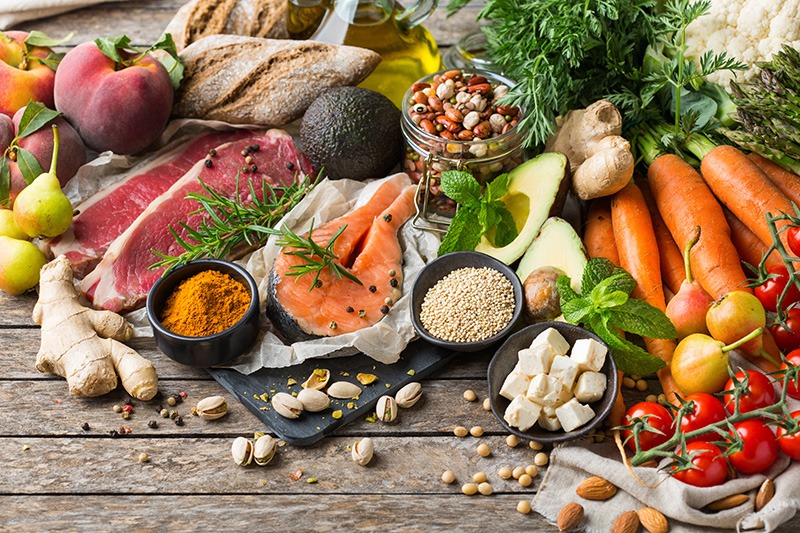
The longevity diet of the Blue Zones is not just a list of foods; it’s a philosophy that intertwines nutrition with lifestyle. The cornerstone of this diet is diversity—diversity of plants, colors, and nutrients. Legumes, including beans, peas, and lentils, are a staple, providing a hearty source of protein and fiber. Whole grains offer sustained energy, while leafy greens deliver a plethora of vitamins and minerals. Nuts and seeds contribute healthy fats and additional protein, rounding out a diet that is both nutrient-dense and varied.
What is remarkable about the Blue Zone diet is its inherent anti-inflammatory properties. The regular consumption of fruits and vegetables, rich in phytonutrients and antioxidants, combats oxidative stress, which is linked to a myriad of age-related diseases. Olive oil, a primary fat source in the diet, is not only heart-healthy but also rich in polyphenols, compounds known for their anti-inflammatory effects.
The dietary pattern also underscores the importance of omega-3 fatty acids, found in certain fish and seeds, which play a critical role in cognitive function and joint health. For Baby Boomers, this is particularly beneficial as it supports brain health and can help in managing conditions like arthritis.
Furthermore, the Blue Zone diet is low in processed sugars and refined grains, which can cause spikes in blood sugar levels and contribute to weight gain and diabetes. Instead, the natural sweetness in fruits and the complex carbohydrates in whole grains provide a balanced energy intake.
The Blue Zone Exercise Regimen for Aging Well
Exercise is a pillar of the Blue Zone lifestyle, but it’s not the high-intensity, sweat-drenching workouts that dominate fitness culture today. Instead, the Blue Zone exercise regimen is about integrating movement into daily life in a way that is enjoyable and sustainable. For Baby Boomers, this might mean brisk walking, gardening, swimming, or even playing with grandchildren. These activities are not only physically beneficial but also provide opportunities for social interaction and outdoor exposure, contributing to overall well-being.
In Blue Zones, physical activity isn’t a chore; it’s a natural part of life. People in these regions don’t run marathons or hit the gym; instead, they live in environments that naturally encourage movement—walking to the market, tending to gardens, and visiting neighbors. This incidental exercise helps to maintain muscle mass, flexibility, and balance, which are crucial for aging bodies.
For Baby Boomers incorporating the Blue Zone exercise principles, the key is consistency and enjoyment. Finding an activity that is pleasurable ensures that it becomes a part of one’s daily routine, rather than a passing trend. Activities such as yoga and tai chi are also popular in Blue Zones, as they combine physical movement with mindfulness, enhancing mental clarity and stress relief.
Strength training is also part of the regimen, with a focus on using body weight or light weights to improve muscle strength and bone density. This form of exercise is particularly important as it helps to prevent falls and fractures, which can be life-altering for older adults.
FAQS
Q1: Is the Blue Zone diet restrictive?
Answer: The Blue Zone diet is less about restriction and more about mindful inclusion. It doesn’t outright ban any food groups but emphasizes whole, plant-based foods as the core of your meals. It allows for meat and processed foods on occasion, making it a flexible and realistic approach for long-term adherence.
Q2: How can Baby Boomers ensure they’re getting enough protein on the Blue Zone diet?
Answer: Legumes, nuts, seeds, and whole grains are excellent sources of protein that fit well within the Blue Zone diet. Including a variety of these plant-based proteins throughout the day can ensure adequate intake. For those concerned, adding small portions of fish or dairy can also contribute to protein needs.
Q3: Can exercise be adapted if I have mobility issues?
Answer: Absolutely. The Blue Zone lifestyle encourages movement, irrespective of its intensity or duration. Low-impact exercises like swimming, chair yoga, or even light stretching can be beneficial. The key is to stay active within your ability levels and to incorporate movement into your daily routine.
Practical Tips or Brief Guides
Embracing Plant Diversity: Start by integrating more legumes and whole grains into your meals. Try new vegetables each week and find creative ways to include nuts and seeds in your diet, such as adding them to salads or as snacks.
Mindful Eating Habits: Practice eating slowly and stop when you’re 80% full. This can help with portion control and enhance your digestion.
Consistent Activity: Find an activity you enjoy and make it a part of your daily routine. Even a daily 30-minute walk can make a significant difference in your health.
Community Engagement: Don’t underestimate the power of social connections. Share meals with friends and family, and engage in community activities that keep you connected and active.


